
The allure of risk and reward
The human attraction to risk and reward is a fundamental aspect of the psychology behind casino gambling. When individuals step into a casino, they are often captivated by the potential for significant monetary gains, especially when considering options like online casino ontario fast withdrawal that enhance the thrill of the game. This prospect of winning can trigger a surge of adrenaline, creating a thrilling experience. The brain responds to this excitement by releasing dopamine, a neurotransmitter associated with pleasure and reward. As players experience these highs, the desire to return and chase the next big win becomes increasingly compelling, often resulting in a cycle of repeated visits to the casino.
The dynamic between skill and luck also enhances the allure of gambling. Many players believe their strategies can improve their odds, fostering a sense of control over outcomes that are inherently uncertain. This illusion of control is psychologically enticing; it creates a narrative where success appears attainable through skillful decision-making, despite the fact that many games are predominantly governed by chance. As a result, the excitement of taking risks, paired with the possibility of a substantial reward, acts as a powerful magnet for those drawn to the casino environment.
Moreover, the ambiance of the casino plays a pivotal role in amplifying this allure. The bright lights, engaging sounds, and overall atmosphere of excitement contribute to a sensory experience that can be intoxicating. Within this environment, the thought of leaving without a win can feel unbearable, prompting players to immerse themselves in the experience for extended periods. The combination of sensory stimulation and the anticipation of victory creates an addictive cycle, where players continuously seek that exhilarating moment of triumph, often losing track of time and money in the process.
The impact of social dynamics
Social interaction is another crucial psychological factor influencing casino gambling behavior. Many individuals are attracted to the casino experience not just for the games themselves, but for the sense of community and camaraderie that often accompanies it. Casinos serve as social hubs where friends and acquaintances gather to share in the thrill of competition and the risks of gambling. This social aspect can amplify emotional responses, making wins even more enjoyable and losses more tolerable when experienced alongside others.
The public nature of gambling can also foster a sense of belonging. Observing fellow gamblers celebrating their victories can elicit feelings of excitement and even envy, prompting individuals to engage more aggressively in their gambling behaviors. This phenomenon can be analyzed through the lens of social comparison theory, which suggests that individuals assess their own behaviors and outcomes by comparing themselves to others. This comparison can lead individuals to gamble more frequently to align with perceived social norms or peer expectations, further strengthening the social bond within the gambling community.

For some, gambling may also serve as an escape from personal challenges or emotional struggles. The casino environment can become a refuge from daily stressors, offering a temporary reprieve from reality. However, this coping mechanism can be problematic, as individuals may find themselves returning to the casino more frequently as a way to manage emotional distress. While social interactions can enhance the gambling experience, they can also exacerbate gambling issues if individuals use the casino as a means of avoidance or escape from their problems.
The role of cognitive biases
Cognitive biases significantly shape how individuals perceive gambling and make decisions in casino settings. One of the most pronounced biases is the illusion of control, where players mistakenly believe they can influence the outcome of games through their choices. For instance, a gambler might rely on a specific betting strategy or a lucky charm, thinking these will enhance their chances of winning, despite the odds being against them. This flawed reasoning can lead to excessive gambling as individuals chase wins based on this false sense of control.
Another prevalent cognitive bias is the gambler’s fallacy, which involves the mistaken belief that past outcomes can influence future probabilities in independent events. For example, a player who has experienced a series of losses may erroneously conclude that they are “due” for a win. This cognitive misstep can prompt individuals to increase their betting amounts in an attempt to recover losses, often resulting in deeper financial trouble. Recognizing these cognitive biases is crucial for understanding the psychological traps that casinos can exploit, ultimately promoting more responsible gambling behavior.
Moreover, the framing effect plays a significant role in gambling psychology, influencing the decisions players make based on how information is presented. If a player is informed they have a “70% chance of winning,” they may perceive the situation more favorably than if they were told they have a “30% chance of losing.” This subtle manipulation of language can significantly impact betting behavior, leading players to make choices that may not align with their best interests. By increasing awareness of these cognitive biases, gamblers can make more informed and rational decisions, enhancing their overall gambling experience.
The effects of near misses and variable rewards
Near misses are a fascinating psychological phenomenon in casino gambling that can sustain player engagement. A near miss occurs when a player comes tantalizingly close to winning, such as when a slot machine shows symbols that almost align for a payout. Research indicates that these near-miss experiences can generate feelings of excitement similar to those experienced during actual wins, triggering dopamine responses in the brain. This reaction reinforces gambling behavior, encouraging players to continue playing in the belief that they are on the verge of a significant win.
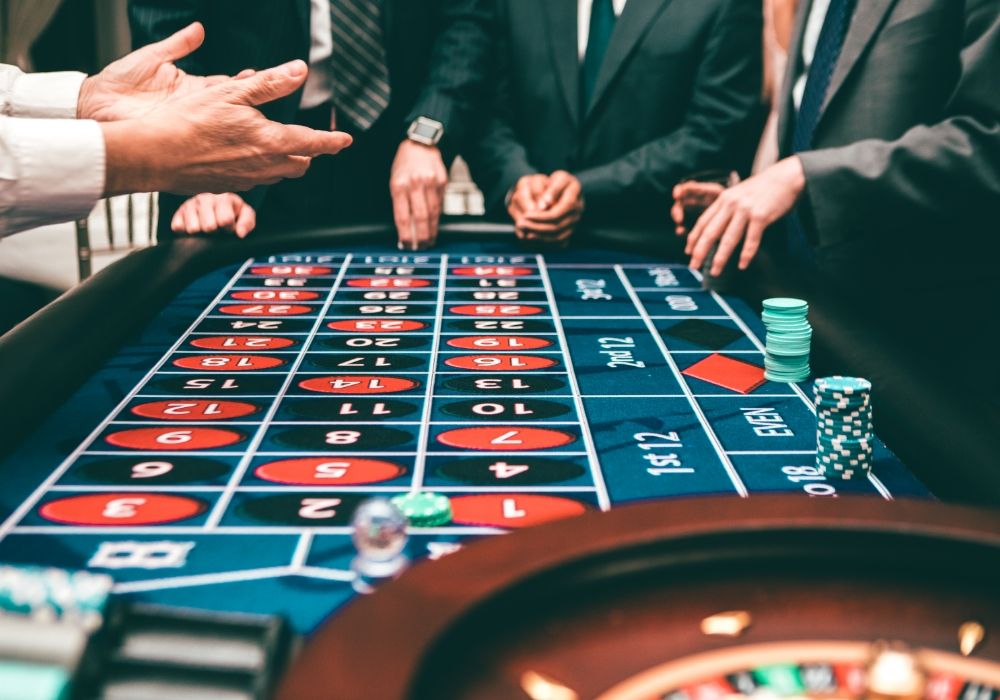
Variable rewards are another cornerstone of casino design that exploit the psychology of unpredictability. In gambling, payouts are often irregular and sporadic, creating a powerful reinforcement loop that encourages ongoing play. The prospect of hitting the jackpot creates anticipation and excitement, prompting gamblers to keep playing in hopes of future payouts. This psychological mechanism is integral to the design of many casino games, where wins are unpredictable, effectively enticing players to stay engaged for longer periods.
Furthermore, casinos are strategically designed to leverage these psychological mechanisms through their layout and game offerings. By ensuring that players frequently encounter near misses and are presented with variable payouts, casinos cultivate an environment that heightens the thrill of gambling. This design aims to maximize the time players spend at machines or tables, thereby increasing their potential losses. Understanding how these factors affect behavior can empower individuals to approach gambling with a more mindful and informed perspective, recognizing the psychological tactics at play.
Understanding responsible gambling
Given the insights into the psychology of casino gambling, promoting responsible gambling is essential for safeguarding players. Awareness of the emotional and cognitive triggers that influence gambling behavior can empower individuals to approach their gaming experiences more safely. Setting personal limits on both time and money can establish boundaries that help mitigate the risks associated with gambling. Additionally, recognizing the signs of problematic behavior and knowing when to seek help are crucial steps in fostering healthier gambling habits.
Numerous organizations and websites provide resources dedicated to promoting responsible gambling. These resources offer information on how to identify addiction, understand personal gambling behaviors, and access support services. It is vital for players to educate themselves about the risks and impacts of gambling, as knowledge is a powerful tool in making informed choices. Conversations about gambling should highlight the importance of moderation and self-control, as these elements are fundamental to enjoying gambling as a recreational activity without allowing it to escalate into a problem.
Creating awareness around responsible gambling can also encourage casinos to adopt practices that promote safer play. Initiatives such as educational campaigns and self-exclusion programs can contribute to creating a healthier gaming environment. By fostering a culture of responsible gambling, both players and the industry can benefit, reducing negative consequences while still allowing individuals to experience the thrill of gaming. Ultimately, a balanced approach to gambling can enhance enjoyment while safeguarding against the potential risks associated with it.